ARY News – Pakistan’s largest and the most sought-after media channel – brings to you an amazing option to watch LIVE...whatever is happening in the world right now. You just need a right device and an access to Internet for visiting live.arynews.tv on the go from anywhere. So, keep going LIVE with ARY News.
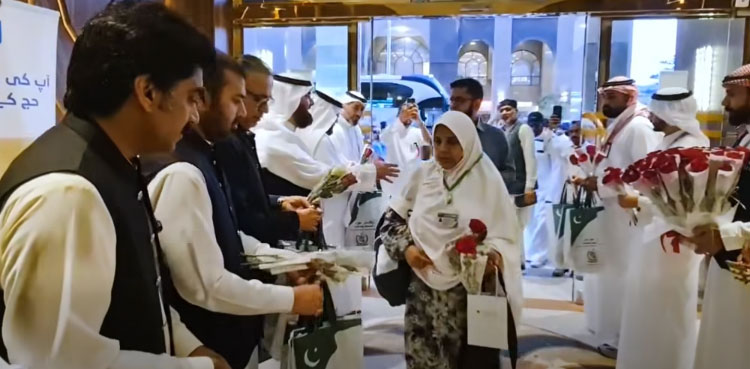
MADINA: The first flight carrying Hajj pilgrims from Karachi has arrived in Madina. Upon arrival, the 155 pilgrims were warmly welcomed in Madina Munawwara, ARY News reported.Director General (DG) Hajj Abdul Wahab Soomro, alongside other high-ranking officials, received the pilgrims.Flowers were showered, and gifts were presented, while traditional Saudi welcome songs accompanied by the rhythmic beats of the duff created a spiritual and memorable atmosphere.The Pakistani pilgrims have been provided residency in the Markaziya area of Madina. To facilitate their worship and movement, pilgrims were immediately issued NUSUK cards. The pilgrims expressed satisfaction over the excellent arrangements made by the Ministry of Religious Affairs, Pakistan, and the Pakistan Hajj Mission, stating that all facilities from Pakistan to their stay in Madinah were well-organized and commendable, making the beginning of their sacred journey pleasant and comfortable. According to officials, similar well-coordinated arrangements have been put in place for upcoming flights, with close coordination among all departments to ensure the best possible facilities for every arriving pilgrim. Earlier, repair work on the Kaaba in Masjid al-Haram was completed on Saturday, ARY News reported.At the onset of the Hajj season, the Ghilaf-e-Kaaba (Kiswa) was raised three meters from the ground. Additionally, maintenance on the interior and exterior walls of the Kaaba was completed within 47 hours.During the restoration, the beautification of the Maqam-e-Ibrahim was also finalized.Meanwhile, the Ghilaf-e-Kaaba has been covered on all four sides with white cloth.Raising the Kiswa is an annual ritual performed to mark the beginning of the Hajj season.Saudi Arabia’s General Directorate of Passports is fully prepared for the Hajj 1447H season, with reception services officially commencing today.Hajj flights from Pakistan, Indonesia, and various other countries are scheduled to begin arriving today.According to Saudi media, all immigration and customs arrangements have been finalized at various airports to welcome the pilgrims.Officials stated that immigration counters have been activated across air, land, and sea pathways. All preparations are complete to ensure that the transportation of pilgrims is speedy, organized, and seamless.The most modern digital systems have been implemented to facilitate pilgrims at all points of entry.Saudi officials emphasized that waiting times for immigration will be significantly minimized through the use of this advanced technology.Furthermore, Saudi media reported that specially trained staff will be available 24/7 to provide guidance to pilgrims.Officials added that all Hajj season operations will be conducted smoothly through the mutual cooperation of all relevant institutions.
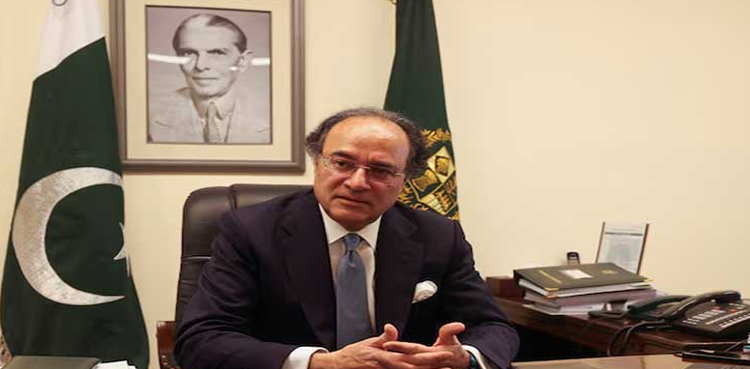
Federal Minister for Finance and Revenue of Pakistan, Senator Muhammad Aurangzeb, held a constructive meeting with representatives of S&P Global Ratings on the sidelines of the World Bank–IMF Spring Meetings 2026During the meeting, the Finance Minister confirmed that Pakistan has successfully concluded a Staff-Level Agreement with the International Monetary Fund (IMF), with approval by the IMF Executive Board expected shortly, paving the way for the disbursement of the next tranche under the program.Senator Aurangzeb informed that Pakistan has met its external obligations in a timely manner, including the repayment of USD 1.4 billion on its Eurobond during the current month. He also highlighted additional financial support from the Kingdom of Saudi Arabia, including a USD 3 billion facility and the extension of an existing USD 5 billion deposit from an annual rollover to a three-year term through 2028, further strengthening the country’s external position.The Finance Minister noted that Pakistan has successfully re-entered international capital markets with the launch of a Eurobond through private placement after a gap of four years, priced at just under 7 percent, reflecting renewed investor confidence in the country’s macroeconomic trajectory.He outlined Pakistan’s medium-term Global Medium Term Note (GMTN) strategy, which envisages diversified issuances across multiple instruments, including Eurobonds, Sukuk, and rupee-linked, dollar-settled bonds, aimed at broadening the investor base and mitigating foreign exchange risks.Senator Aurangzeb also briefed S&P Global on progress towards Pakistan’s inaugural Panda bond issuance, noting that regulatory submissions have been made and approval from the National Association of Financial Market Institutional Investors (NAFMII) is awaited.On the evolving regional situation, the Finance Minister highlighted the Government’s focus on managing the immediate economic impact through measures to secure energy supply chains, optimize pricing and logistics, and provide targeted digital subsidies to vulnerable segments of the population.Concluding the meeting, Senator Aurangzeb expressed confidence that Pakistan’s improved macroeconomic fundamentals and continued reform momentum present a strong case for a rating upgrade.
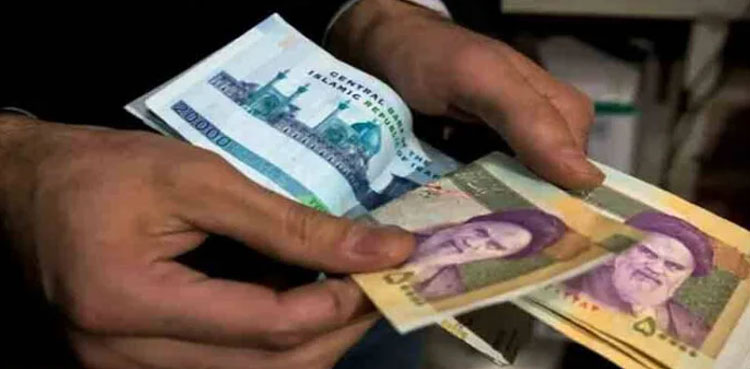
The Iranian rial (IRR) has seen a dramatic surge in value in Pakistan’s open currency market, becoming a hot commodity as reported widely in local media.In Pakistan’s open market, the price of a standard bundle of 1 Crore Iranian rials has risen sharply from around PKR 2,500 (pre-conflict, roughly a month ago or earlier baseline) to approximately PKR 7,000–10,000 now — a roughly fourfold increase (about 300% appreciation in the rial’s local value vs. the PKR). Current local open-market rates (approximate, based on ~PKR 10,000 for 10 million IRR) These are scaled from the widely reported bundle pricing: 1 PKR buys approximately 1,000 Iranian rials. 10 PKR buys approximately 10,000 Iranian rials. 1,000 PKR buys approximately 1,000,000 Iranian rials (10 lakh rials). Note: This is the local open-market cash rate for physical Iranian rials in Pakistan (used for trade/smuggling), not the international mid-market or bank transfer rate (which remains much lower, around ~2,100 PKR for 1 crore rials)Why is everyone buying the Iranian rial in Pakistan right now? Two main drivers are fueling the demand and price surge: Speculation/investment: Traders and individuals are buying rials hoping for further gains. This is tied to diplomatic developments, including US-Iran talks and expectations that easing tensions or sanctions relief could strengthen the rial long-term. Many see it as a short-term profit opportunity amid regional uncertainty. Cross-border trade needs: There’s genuine structural demand from informal and semi-official trade with Iran (especially petroleum products, fuel, food items, and other goods). Pakistan recently eased rules (e.g., temporary exemptions for exports to Iran and transit trade via Iran until June 2026), boosting activity along the Balochistan border. Informal networks and barter-style settlements require physical rial notes, so demand has spiked. Experts (including Exchange Companies Association of Pakistan Chairman Malik Bostan) note it’s a mix of both factors, but warn retail buyers about high volatility, potential reversals if geopolitics shift, and risks like counterfeits in informal deals. The rial remains very weak globally against the USD, so this is a Pakistan-specific phenomenon.
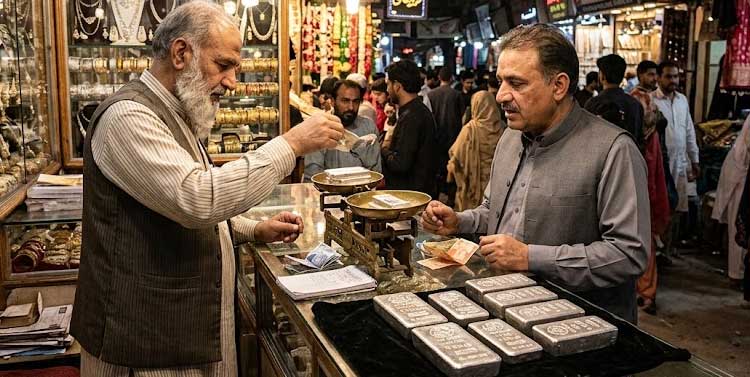
Karachi, April 18, 2026 – Silver prices in Pakistan have shown firm upward momentum today, with the chandi ka rate at Rs. 8,321 per tola—demonstrating sustained strength driven by international precious metals trends and active local demand. This performance continues the recent positive pattern, as silver remains highly responsive to global market signals and safe-haven buying interest. Current local rates stand at Rs. 7,132 per 10 grams and Rs. 713.2 per gram, supported by international spot silver activity and its reliable linkage to gold. The metal continues to draw attention as a practical safe-haven choice and vital industrial resource in the prevailing economic climate. This firmness aligns with gold’s steady positioning (local 24K gold around Rs. 510,000+ per tola), highlighting the synchronized dynamics between the two metals amid ongoing market conditions.Key Factors Driving the Silver Price Increase in Pakistan Strong Link to Gold Rally – Gold’s solid footing (international spot near $5,100+/oz and local rates firm) supports silver, as traders regularly combine both for protection and diversification aims. International Spot Silver Momentum – Global silver has preserved forceful upward influence (spot levels in elevated ranges), swiftly amplifying local PKR valuation via import outlays and currency exchange impacts. Reliable Industrial Demand – Silver’s pivotal applications in solar panels, electric vehicles, electronics, and clean energy domains secure ongoing uptake, fortifying prices through assorted market situations. Local Buyer Engagement – Pakistani acquirers and jewelers are exhibiting steady participation with silver as a shield against inflation and a comparatively economical precious metal relative to gold, powering today’s firm trend in Sarafa markets. Analysts stress silver’s oscillating yet hopeful nature—recent movements have sustained this steady phase—upheld by investment attractiveness and industrial core elements. Buyers and investors should always verify live Sarafa market quotes prior to transactions, as prices respond swiftly to international shifts and local conditions.Current Silver Rates in Pakistan - April 18, 2026 Weight Rate (PKR) Notes 1 Gram 713.2 Fine/Pure Silver 10 Grams 7,132 Fine/Pure Silver 1 Tola 8,321 Standard Rate Rates are approximate and based on latest Karachi Sarafa/local reports
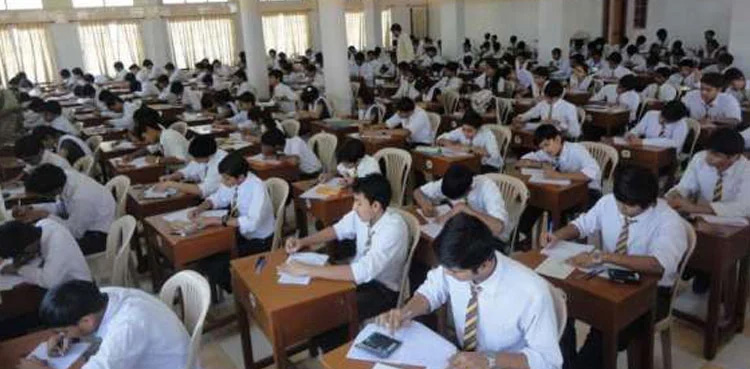
RAWALPINDI: The Board of Intermediate and Secondary Education Rawalpindi on Saturday announced a new date for the postponed Matriculation Urdu compulsory papers at 64 examination centres in the city.According to an official statement, the papers—originally scheduled for April 8—will now be held on May 2 on the directions of the Commissioner and Chairman of the board.The Urdu compulsory (Dars-e-Nizami group) paper will be conducted in the morning session, while the Urdu compulsory and Geography of Pakistan papers will be held in the evening session.All examinations will take place at the same centres under the previously issued roll numbers, the statement added.Candidates and supervisory staff at the 64 examination centres have been directed to ensure their presence at their respective venues on time on May 2.The board advised candidates to contact the Controller of Examinations at 051-5450917 or 051-5450918, or the Assistant Controller (Matric Branch) at 051-5450932 for further information. Students have also been advised to regularly visit the board’s official website for updates.Meanwhile, matriculation examinations in Karachi recently faced controversy following allegations of widespread cheating, paper leaks, and bribery, raising serious concerns about the integrity of the examination system.Authorities registered a case against an examination centre in-charge, Muhammad Hanif, for allegedly charging Rs5,000 per student to facilitate cheating.The incident reportedly occurred at Grace Academy of Learning Secondary School, where an organised cheating network was allegedly operating. Reports suggest that money was collected from students and parents in exchange for allowing unfair means during exams.A viral video on social media shows the accused demanding money, while a diary containing records of payments has also surfaced as evidence.Following public outrage, Chairman of the Karachi Matric Board, Ghulam Hussain, blacklisted Grace Academy of Learning Secondary School and National Grammar School.
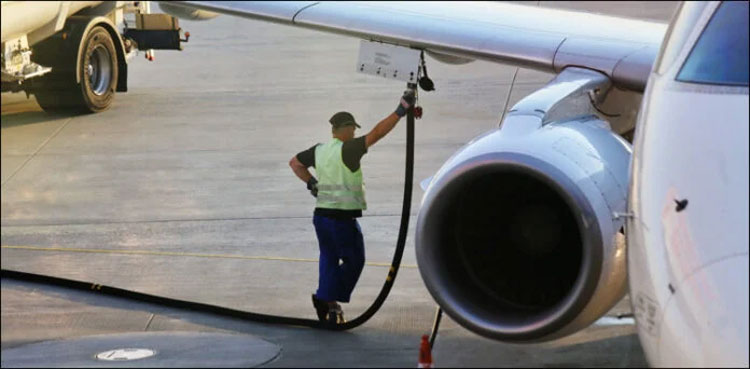
ISLAMABAD: Pakistan on Saturday reduced the prices of jet fuel and light diesel oil following a decline in global crude oil prices after Iran announced the full reopening of the Strait of Hormuz.According to official notifications, the price of light diesel oil has been reduced by Rs70.04 per litre, bringing the new rate down to Rs299.32 per litre.Similarly, jet fuel prices have been cut by Rs23.59 per litre. The new price for aviation fuel has been set at around Rs471 per litre for commercial flights, reflecting a significant reduction over the past week.Passengers are hopeful that airlines will reduce fares and pass on the benefit of lower jet fuel prices to customers.A day earlier, Prime Minister Shehbaz Sharif had approved a decrease in diesel prices by Rs32.12, bringing the new rate to Rs353.43 per litre.The premier said the government would pass on the full benefit of declining international oil prices to the public.Global oil markets have experienced volatility in recent weeks due to tensions involving Iran. Analysts estimate that more than $50 billion worth of crude oil production was disrupted during the conflict, with long-term impacts expected on global supply.Data suggests that since late February, over 500 million barrels of crude oil and condensate were removed from the global market, marking one of the largest supply disruptions in modern history.

LAHORE: Police have arrested a suspect involved in a mobile phone snatching incident targeting a girl riding a scooter in Lahore’s Nawab Town area, officials said on Saturday.According to police, the suspect, identified as Adnan, was apprehended in an injured condition following an encounter with law enforcement in the Chuhng area.The arrest was made after authorities traced the suspect using geo-fencing, CCTV footage, and human intelligence. Police monitored his movement and set up a checkpoint after identifying his location.A police spokesperson said the suspect was travelling on a motorcycle with an accomplice when officers signaled them to stop. Instead of complying, the suspects allegedly opened fire and attempted to flee.During the exchange, Adnan was injured, reportedly by fire from his own accomplice, while the second suspect managed to escape. A search operation is underway to apprehend the fleeing accomplice.The injured suspect was taken into custody and shifted to a hospital for medical treatment. Further legal proceedings are underway at Chuhng police station, while investigations continue.Police said hundreds of CCTV cameras were reviewed to track the suspect, with geo-fencing and human intelligence playing a key role in solving the case.Read More: Girl scooterist robbed in broad daylight in LahoreThe development comes a day after the girl riding a scooter was robbed at gunpoint in Nawab Town. CCTV footage of the incident went viral, showing a masked motorcyclist intercepting the victim, snatching her mobile phone, and fleeing the scene.The footage also showed the victim attempting to resist and briefly struggling with the suspect before he escaped.Punjab Chief Minister Maryam Nawaz had taken notice of the incident and directed police to take immediate action.
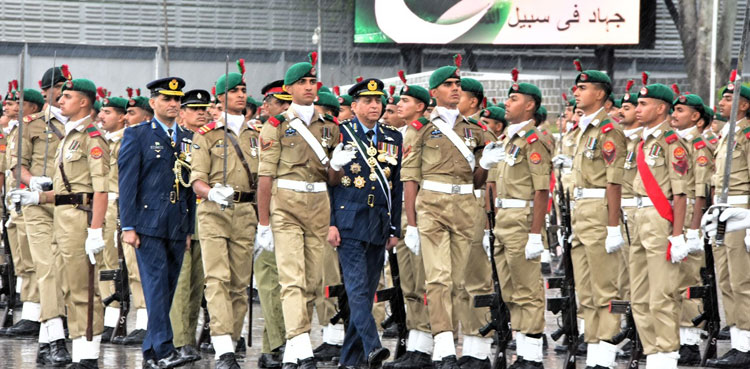
RAWALPINDI: The passing-out parade of cadets from the 153rd PMA Long Course, 38th Technical Graduate Course, 72nd Integrated Course, 15th Mujahid Course, and 27th Lady Cadet Course was held at the Pakistan Military Academy (PMA) Kakul, the Inter-Services Public Relations (ISPR) said on Saturday.Cadets from several friendly countries, including Iraq, Maldives, Mali, Nepal, Palestine, Qatar, and Sri Lanka, also graduated from the Pakistan Military Academy.Chief of Air Staff, Air Chief Marshal Zaheer Ahmed Baber Sidhu, graced the occasion as Chief Guest and Reviewing Officer of the parade. He reviewed the parade and gave awards to distinguished cadets.The coveted Sword of Honour was awarded to Academy Senior Under Officer Bilal Nasim of 153rd PMA Long Course, while the President's Gold Medal went to Battalion Senior Under Officer Muhammad Saad Musa of the same course. The Chief of Defence Forces Overseas Gold Medal was awarded to friendly country Senior Under Officer Pobin Kunwar from Nepal of 153rd PMA Long Course.The Marksman Medal was awarded to Cadet Masood Ur Rehman of 153rd PMA Long Course. Chief of Army Staff Cane was awarded to Course Under Officer Haider Bin Abid of 38th Technical Graduate Course.In the 15th Mujahid Course Chief of Army Staff Cane was awarded to Sergeant Pir Muhammad Abdullah Shah. Commandant's Canes were awarded to Course Under Officer Ali Bin Waqar of 72nd Integrated Course and Course Under Officer Walia Zeb of 27th Lady Cadet Course.
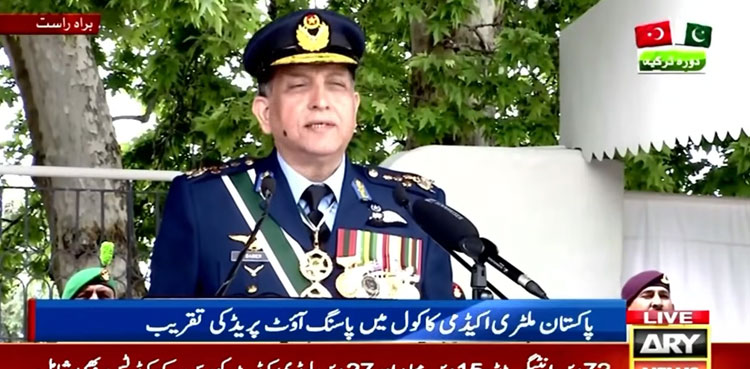
KAKUL: Air Chief Marshal Zaheer Ahmed Baber Sidhu, Chief of Air Staff, Pakistan Air Force, on Saturday urged India to adopt a mature approach to resolve the issue of Indian Illegally Occupied Jammu and Kashmir (IIOJK) in accordance with UN resolutions and the aspirations of the Kashmiri people.Addressing the passing-out ceremony at the Pakistan Military Academy (PMA) Kakul, he said the armed forces of Pakistan are entrusted with the noble mission of defending the motherland, adding that there is no greater honour than serving as guardians of the nation. He reminded the cadets of the long history of sacrifices made by the officers and soldiers of the Pakistan Army.He stated that Pakistan’s defence forces are professionally competent, well-trained, and fully capable of addressing both internal and external challenges. He said they are equipped in line with modern warfare requirements.The Air Chief said this capability was demonstrated during Pakistan’s “resolute and unified response” in May 2025 operations, referred to as Marka-e-Haq (Battle of Truth) and Operation Bunyan-un-Marsoos against India, which he said “stunned the world.”He added that the response reflected integrated tri-services jointness enabled by real-time situational awareness and net-centric warfare capabilities.According to him, this synergy across land, air, and sea forces allowed precision engagements and rapid operational tempo, describing the outcome as a result of unified national effort and divine support with Allah's special blessing.The Air Chief further said the Pakistan Air Force, in coordination with sister services, upheld its tradition of fighting against numerical superiority.He said that the PAF downed advanced enemy aircraft during the intense and longest BVR (Beyond Visual Range) air battle in aerial history, but also struck bases and ground assets deeply into adversary territory from north to south with precision.He also stated that state-of-the-art defence systems, including the S-400, and command and control centres were neutralised at various locations."Without any doubt, Pakistan Air Force could have gone further but showed matchless responsibility and restraint as we inherited a mature strategic culture", the Air Chief Marshal stated.He said the capabilities demonstrated during Marka-e-Haq were the result of long-term restructuring, modernisation, and indigenisation efforts undertaken by the Pakistan Air Force."The indigenous battle-tested capability developed in record time gives us the immense confidence that our sovereignty will never be undermined by any aggressor Inshallah", he said.The Air Chief pledged the Pakistan Air Force will continue the modernisation in order to pivotingly address the emerging new geopolitical realities in the region.He said that the Pakistan Air Force is vigorously pursuing dozens of projects of strategic significance, some of which are in the development stage and quite a few are near completion, which will not only add to the frontline capability of PAF in particular but also of defence forces in general.He noted that the global environment is increasingly volatile, with shifting power dynamics and regional conflicts that often have wider international implications. Despite this, he said, Pakistan is actively pursuing a policy of regional peace.He reiterated that Pakistan has the full capability to respond decisively to any aggressor. "We expect a mature stance from the adversary to resolve the issue of Indian Illegally Occupied Jammu and Kashmir (IIOJK) in accordance with the UN resolutions and aspirations of the Kashmiri people.He also reaffirmed Pakistan’s continued moral, political, and diplomatic support for the Kashmiri people in their struggle for self-determination.
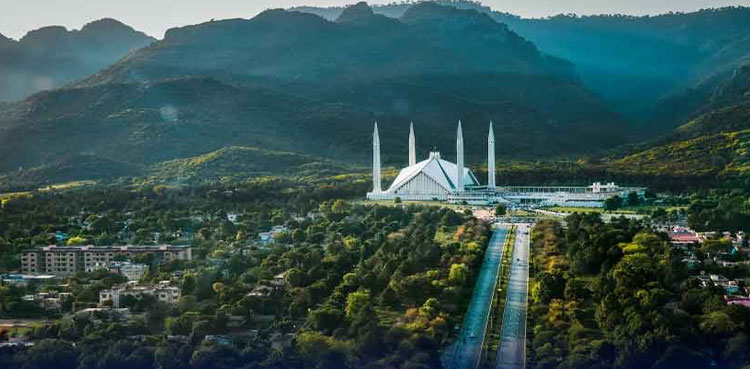
ISLAMABAD: The second round of talks between the United States and Iran in Islamabad likely to be held on April 20-21 sources said, as the capital's administration has been directed for preparations in the city.The top leadership of the United States and Iran likely to attend the dialogue.Preparations have been underway in Islamabad to decorate the Expressway and Srinagar Highway for welcome of the foreign dignitaries.Stringent measures being taken for the highest security on the arrival of the foreign delegations.Earlier, security high alert declared and security arrangements being finalized at Islamabad’s red zone and at various sensitive points of the capital city.“Additional contingents have been summoned from Punjab to Islamabad, and the personnel are coming from different districts of the province,” sources earlier said.The Wall Street Journal quoting an unnamed official of the Trump administration that the talks between the United States and Iran will likely to be held in Islamabad on Monday.CBS said in a report that President Trump's administration mulling over sending US top officials to Pakistan again for revival of talks with Iran, the dialogue could resume from Monday.The White House press secretary Karoline Leavitt on Wednesday said that the next round of in-person talks between the United States and Iran will likely be held in Pakistan.Leavitt emphasized that Pakistan has played a central role in facilitating dialogue between Washington and Tehran. “The Pakistanis have been incredible mediators throughout this process,” she said. “They are the only mediator in this negotiation.” She added that despite interest from other countries, the administration of Donald Trump prefers to streamline communication through Islamabad.
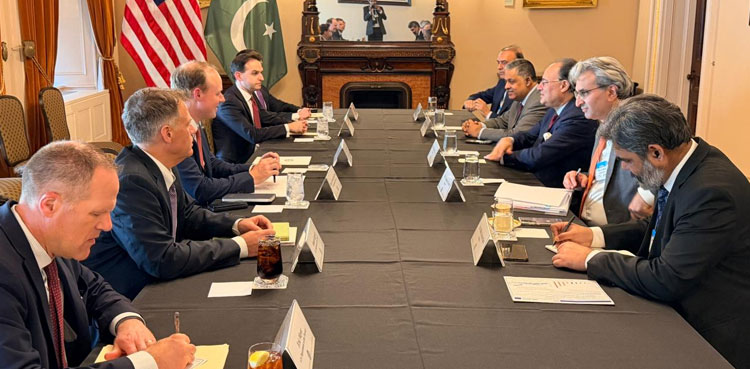
WASHINGTON: Federal Minister for Finance and Revenue, Senator Muhammad Aurangzeb, on Saturday held a productive meeting with Francis Brooke, Deputy Secretary at the United States (US) Department of the Treasury, on the sidelines of the World Bank–IMF Spring Meetings in Washington, to discuss economic cooperation.The Finance Minister briefed the US side on Pakistan’s macroeconomic stabilisation efforts, its planned re-entry into international capital markets, and its external debt management strategy.He also highlighted investment opportunities in Pakistan’s minerals and energy sectors, while updating the Treasury leadership on progress in digital finance and virtual asset regulation.Both sides discussed potential areas of cooperation, including energy, mineral development, and strengthening the anti-money laundering and countering the financing of terrorism (AML/CFT) framework.The Finance Minister reaffirmed the depth and importance of bilateral economic engagement and underscored the need for continued United States support for Pakistan’s programme with the International Monetary Fund (IMF).A day earlier, Pakistan successfully re-entered international financial markets after a gap of four years, issuing a $500 million Eurobond, according to an official statement.The bond has been issued for a three-year tenure, marking a significant step in the country’s efforts to restore investor confidence and strengthen its external financing position.Despite challenging global economic conditions, the Eurobond received a strong response from international investors, reflecting renewed trust in Pakistan’s economic outlook, the statement said.Officials noted that the successful issuance has further enhanced Pakistan’s standing in international bond markets, signaling improved market access after a prolonged absence.
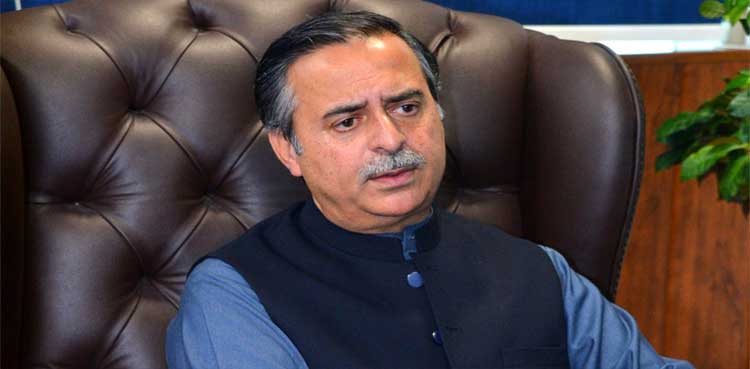
KARACHI: Federal Minister Junaid Anwar Chaudhry has said that the work on building a floating jetty has started for improvement in fisheries exports.Maritime Affairs minister, was presiding over a meeting of the Korangi Fish Harbour Board here.He said the floating jetty will be built with a cost of Rs 120 million and this jetty will assist improvement in operations in low water level areas.The government will ensure a safe and easy access for fishermen at any cost, minister said.The completion of this project will reduce fishermen's expenditures. The project will create new economic opportunities for the coastal areas.
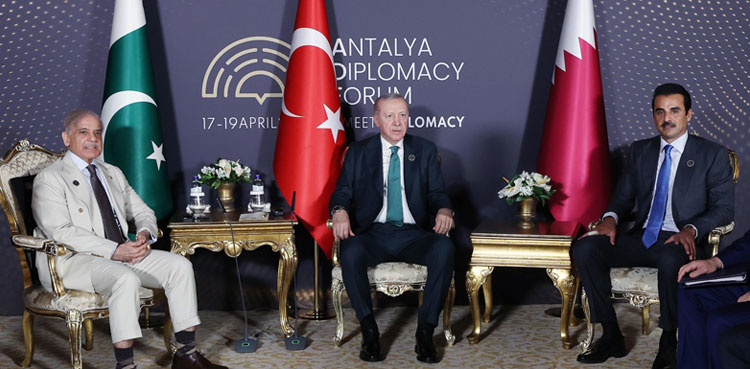
ANTALYA: Prime Minister Muhammad Shehbaz Sharif on Friday participated in a trilateral meeting with President Recep Tayyip Erdogan of Turkiye and Sheikh Tamim bin Hamad Al Thani, Amir of Qatar, on the sidelines of the 5th Antalya Diplomacy Forum.The three leaders discussed recent regional developments and ongoing peace efforts, including the concerning situation in Gaza and Palestine.They agreed to continue close cooperation to advance dialogue and diplomacy aimed at achieving lasting regional peace and stability.Notably, Iran has announced the complete reopening of the strategically vital Strait of Hormuz, marking a significant development amid ongoing regional de-escalation efforts.Iranian Foreign Minister Abbas Araghchi, in a post on X, confirmed that the waterway has been fully reopened, linking the move to prevailing ceasefire conditions in the region, particularly in Lebanon.According to the Iranian foreign minister, the Strait of Hormuz will remain fully operational for the duration of the ceasefire agreement between Iran and the United States. He described the decision as part of broader efforts to maintain stability during the truce period.“The Strait of Hormuz has been fully reopened,” Araghchi stated, adding that the move aligns with the ceasefire environment and is intended to ensure uninterrupted maritime activity.Meanwhile, US President Donald Trump expressed gratitude to Pakistan and its leadership, describing Prime Minister Shehbaz Sharif and Field Marshal Asim Munir as “two fantastic people” in a post on his Truth Social platform, and calling the moment a “great and memorable day for the world.”In his message, Trump thanked Pakistan, referring to it as a “great nation,” and praised both the country’s civilian and military leadership.“Thank you Pakistan, thank you great Prime Minister,” he wrote, while also commending the military leadership and describing the Field Marshal as a “great leader.”
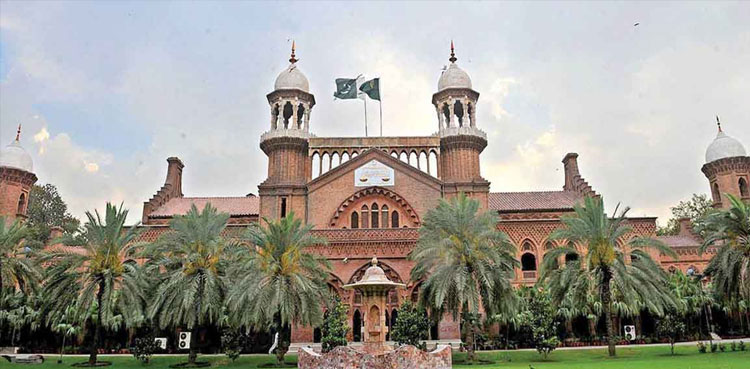
LAHORE: The recovery of Rs 180 billion rupees petroleum development levy has been challenged in the Lahore High Court on Saturday.It has been pleaded in a petition that the government has recovered 1,234 billion rupees petroleum levy from July to mid-April. "The government has failed to provide relief to general public despite drop in petroleum prices"."The fluctuations in prices of petroleum products have badly affected the workers and the salaried class," according to the petition.The petitioner has requested to the high court to declare the levy "an unconstitutional economic exploitation"."The court should declare the policy that prevents transfer of the benefit of declining prices in the international markets to consumers," petitioner requested to the court.It is to be mentioned here that the federal government has collected more than Rs180 billion from the public under the Petroleum Development Levy (PDL) over the past one and a half months.The Ministry of Finance sources said that the collection of the levy on petroleum products in Pakistan has increased extraordinarily.They said that during the recent escalation and conflict between the United States and Iran, the government collected over Rs180 billion in the PDL from consumers within approximately six weeks.Data shows that from July of the current fiscal year to mid-April, a total of Rs1,234 billion has been collected under the petroleum levy. This represents an increase of around Rs400 billion compared to the same period last fiscal year.
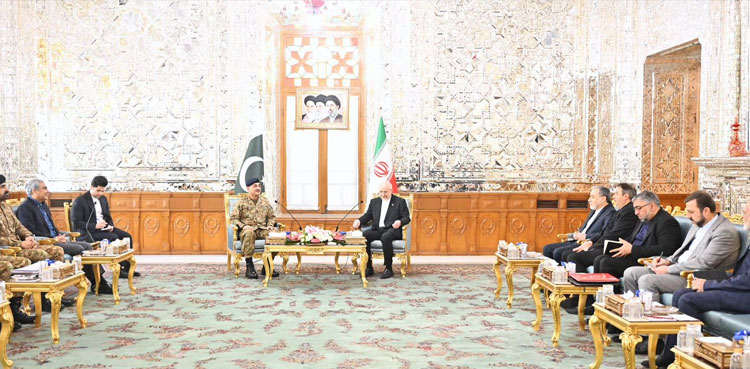
Rawalpindi: Field Marshal Syed Asim Munir, Chief of Army Staff (COAS) and Chief of Defence Forces (CDF), along with Interior Minister Mohsin Naqvi and a high-level delegation, has concluded a three-day official visit to Iran, the Inter-Services Public Relations (ISPR) said on Saturday.According to the ISPR, during the visit, the Field Marshal called on the President of Iran, Masoud Pezeshkian, and held separate meetings with Speaker of the National Assembly Mohammad Bagher Ghalibaf, Foreign Minister Abbas Araghchi, and Commander of Khatam-ul-Anbiya Headquarters, Major General Ali Abdollahi.The discussions were focused on bringing sustainable peace to the region, with particular emphasis on the evolving regional security environment, ongoing diplomatic engagements, and collaborative measures aimed at promoting enduring peace and stability in the region.The Field Marshal underscored the need for dialogue, de-escalation, and peaceful resolution of outstanding issues through sustained diplomatic engagements.He expressed deep appreciation for the warm hospitality extended by the Iranian leadership and the people of Iran.Conveying sincere regards and best wishes from the President, the Prime Minister, and the people of Pakistan to the Iranian leadership, Asim Munir reaffirmed Pakistan’s desire to further strengthen the historic and brotherly ties between the two countries.The visit reflects Pakistan’s unwavering resolve to facilitate a negotiated settlement to the Middle East conflict and to promote peace, stability, and prosperity in the region, the ISPR added.Notably, Iran has announced the complete reopening of the strategically vital Strait of Hormuz, marking a significant development amid ongoing regional de-escalation efforts.Meanwhile, US President Donald Trump has expressed gratitude to Pakistan and its leadership, describing Prime Minister Shehbaz Sharif and Field Marshal Asim Munir as “two fantastic people” in a post on his Truth Social platform, and calling the moment a “great and memorable day for the world.”In his message, Trump thanked Pakistan, referring to it as a “great nation,” and praised both the country’s civilian and military leadership.“Thank you Pakistan, thank you great Prime Minister,” he wrote, while also commending the military leadership and describing the Field Marshal as a “great leader.”
Federal Minister for Finance and Revenue of Pakistan, Senator Muhammad Aurangzeb, briefed Pakistani media representatives based in Washington, D.C. on Pakistan’s evolving economic outlook, progress on reforms, and outcomes of his engagements during the World Bank-IMF Spring Meetings 2026.The interaction was also attended by the Governor of the State Bank of Pakistan, Jameel Ahmad, and Pakistan’s Ambassador to the United States, Rizwan Saeed Sheikh.The finance minister Aurangzeb said Pakistan had successfully returned to international capital markets after a four-year absence, citing the private placement of a $500m three-year Eurobond. He described the move as a “vote of confidence” by global investors, reflecting improved economic management and policy consistency.He stressed that restoring investor confidence requires adherence to sound economic fundamentals and maintaining what he termed “basic economic hygiene,” which remains central to the Government’s policy approach.During the meetings, Aurangzeb said he held discussions with officials from key economies, including the United States, China and the United Kingdom, with a focus on expanding cooperation in trade, investment and sectors such as information technology, energy and minerals.The minister also highlighted improved external sector indicators, noting that Pakistan recorded a current account surplus of more than $1bn in March.Remittances reached $3.8bn during the same period, while inflows under the Roshan Digital Account rose to a record $261m,with expectations of further growth in April, reflecting sustained confidence among overseas Pakistanis.He described overseas Pakistanis as a critical pillar of economic stability, pointing to growing use of formal financial channels as a sign of sustained confidence in the country’s economic direction.On financial sector reforms, the Finance Minister outlined efforts to strengthen financial oversight and formalise exchange company operations, in coordination with the central bank and law enforcement agencies. Measures include improving transparency, increasing capital requirements and encouraging documented financial flows.Addressing fiscal policy, Senator Aurangzeb outlined that preparations for the upcoming budget are underway through consultations with chambers of commerce, business councils, and other stakeholders. The government aims to broaden the tax base while incorporating stakeholder input before final approval by cabinet and parliament. The finance minister acknowledged that bureaucratic delays and outdated procedures continue to affect the ease of doing business, but said reforms are being accelerated to simplify regulations and reduce administrative bottlenecks.He also emphasised the importance of policy continuity, particularly in initiatives such as the Roshan Digital Account, arguing that predictable frameworks are essential to attracting long-term domestic and foreign investment.On energy and climate policy, the Finance Minister underscored the importance of transitioning towards renewable energy, while also addressing structural challenges in the energy sector. He highlighted lessons learned from recent climate-related shocks, noting that improved fiscal buffers and institutional preparedness have enhanced Pakistan’s capacity to respond to natural disasters using domestic resources.The Finance Minister also emphasized the importance of responsible borrowing practices, clarifying that international financial platforms should serve as mechanisms for knowledge sharing and peer learning rather than debt relief advocacy. He reiterated Pakistan’s commitment to honoring all its financial obligations in a timely manner.Addressing global and regional developments, Senator Aurangzeb highlighted Pakistan’s constructive role in promoting peace and stability, noting that international recognition of Pakistan’s diplomatic efforts has strengthened investor confidence and enhanced the country’s global standing.The Finance Minister further pointed to emerging positive developments, including increased transshipment activity through Pakistan’s ports and improved logistics management, which are contributing to economic activity despite challenging global conditions.Concluding the interaction, Senator Aurangzeb reaffirmed the Government’s commitment to sustaining macroeconomic stability, advancing structural reforms, and maintaining a disciplined policy framework to support long-term, inclusive growth.
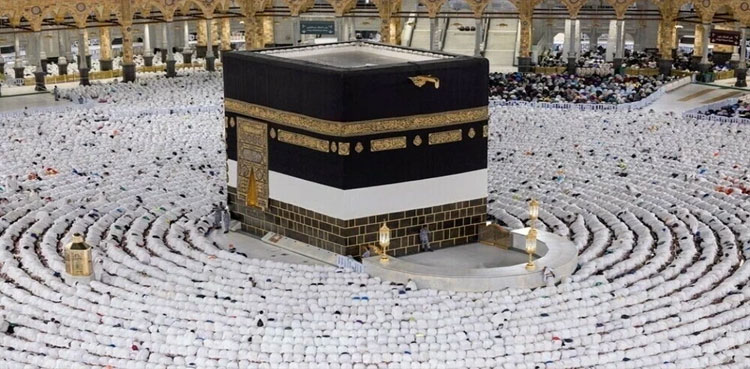
KARACHI: The Hajj 2026 operation formally commenced today as pilgrims began arriving at the airport on Saturday night, ARY News reported.The first Hajj flight, operated by a private airline, is scheduled to depart at 3:00 AM. Meanwhile, the immigration process for the pilgrims has already begun.Officials from the Airport Authority, the Ministry of Religious Affairs, Customs, and the Federal Investigation Agency (FIA) are stationed at Quaid-e-Azam International Airport, Karachi, to facilitate the process.According to the Ministry of Religious Affairs, as many as 31,000 pilgrims are expected to depart from Karachi airport this year. All special arrangements to assist the pilgrims have been finalized.Governor Sindh is scheduled to see off the pilgrims of the inaugural Hajj flight today.Whereas, Saudi Arabia’s General Directorate of Passports is fully prepared for the Hajj 1447H season, with reception services officially commencing today.Hajj flights from Pakistan, Indonesia, and various other countries are scheduled to begin arriving today. According to Saudi media, all immigration and customs arrangements have been finalized at various airports to welcome the pilgrims. Officials stated that immigration counters have been activated across air, land, and sea pathways. All preparations are complete to ensure that the transportation of pilgrims is speedy, organized, and seamless.The most modern digital systems have been implemented to facilitate pilgrims at all points of entry.Saudi officials emphasized that waiting times for immigration will be significantly minimized through the use of this advanced technology.Furthermore, Saudi media reported that specially trained staff will be available 24/7 to provide guidance to pilgrims.Officials added that all Hajj season operations will be conducted smoothly through the mutual cooperation of all relevant institutions.
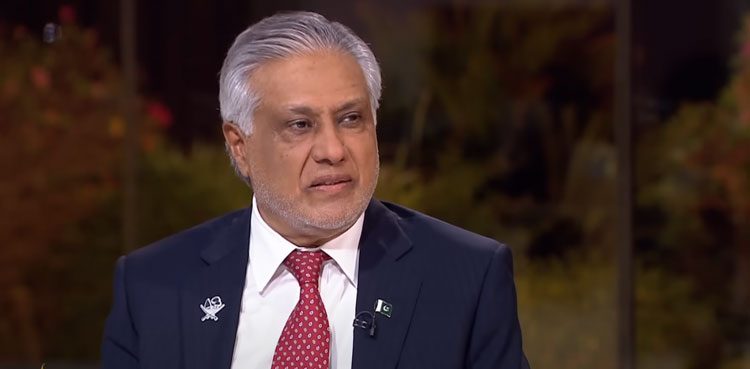
ANTALYA: At the Antalya Diplomacy Forum, Deputy Prime Minister Ishaq Dar highlighted the economic potential of South Asia, saying the region, particularly Pakistan, has vast untapped capacity but continues to lag behind in key economic indicators due to limited integration and trade frameworks, ARY News reported.He noted that despite a population of nearly two billion, the region’s combined GDP stands at around four trillion dollars, stressing that stronger connectivity and structured trade systems are urgently needed among regional countries.Dar said that instability linked to conflicts such as the Iran–US tensions has also had a negative impact on regional trade and economic activity, adding that Pakistan has been actively supporting diplomatic efforts aimed at de-escalation since the beginning of the crisis.Also Read: Ishaq Dar hopes US–Iran talks will continue, reaffirms Pakistan’s role as facilitatorHe pointed out that Pakistan is well-positioned as a transit hub in South Asia and reiterated the need for improved trade and transport linkages between regional states to unlock economic growth.The Deputy Prime Minister also described Pakistan’s mediation efforts in facilitating dialogue between Iran and the United States as a matter of pride, noting that progress in diplomatic engagement after several decades is encouraging for regional stability.Referring to recent developments, he welcomed the reopening of key maritime routes following ceasefire-related progress and said that even limited agreement on outstanding issues between Washington and Tehran would be a positive step for global and regional peace.
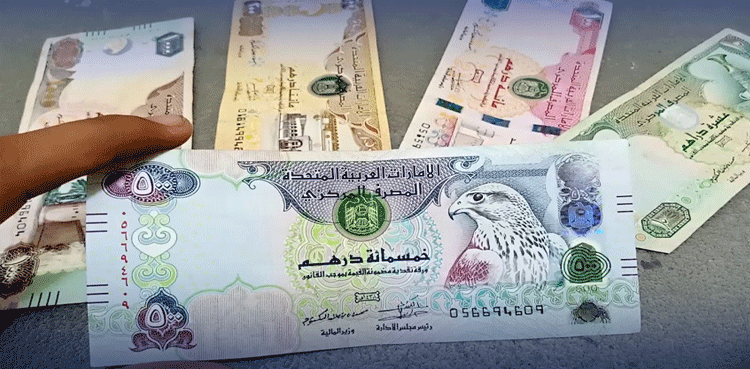
Dubai / Karachi, April 17, 2026 – The UAE Dirham (AED) is trading at 76.06 Pakistani Rupees in the open market today, showing only minimal movement from recent levels. The pair continues to hover comfortably within the narrow 76.00–76.50 PKR range that has been the dominant trading zone for the past several months, offering the kind of predictability that Pakistani expatriates and their families have come to rely on.The steady foundation of the Dirham The Dirham’s reliable performance stems from its fixed peg to the US Dollar at 3.6725 AED per USD — a policy that has remained unchanged since 1997 and continues to provide strong protection against sharp volatility. The Pakistani Rupee, while floating, has been quietly supported by healthy foreign reserves and consistent remittance inflows, helping it maintain balance against the AED. Today’s rate of 76.06 PKR per AED reflects this ongoing equilibrium, offering a dependable and slightly more favorable conversion for cross-border transfers.Real support for Pakistani families For the estimated 1.5 million Pakistanis living and working in the UAE — from construction sites to corporate offices — today’s rate means each dirham sent home now converts to 76.06 PKR. Monthly remittances from the UAE regularly exceed $700 million, so even a small daily improvement adds up to meaningful assistance for families covering school fees, medical expenses, groceries, utility payments, and other essentials in Punjab, Sindh, Khyber Pakhtunkhwa, Balochistan, and beyond. These funds remain a vital economic lifeline, helping millions manage daily life and invest in a better future.Today's Quick Snapshot Current Rate: 1 AED = 76.06 PKR Change: Stable / minor softening 7-day high: 76.50 PKR 30-day average: ~76.30 PKR 2025 high (July): 77.61 PKR 2025 low (Jan): 75.44 PKR Most market projections see the AED-PKR pair staying between 75.80 and 77.00 through the first half of 2026, with the central tendency around 76.10–76.60 by Q2. The UAE’s ongoing diversification into technology, renewables, logistics and tourism, combined with Pakistan’s remittance stability and reserve accumulation, is expected to keep volatility moderate.Today’s rate: 1 AED = 76.06 PKR A calm, dependable figure that quietly keeps delivering value to millions of families spanning the UAE and Pakistan.
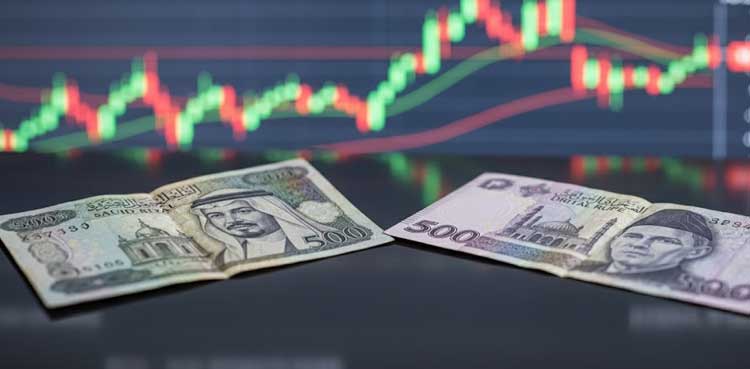
KARACHI, April 17, 2026: The Saudi Riyal (SAR) is trading at Rs74.42 against the Pakistani Rupee (PKR) in today’s open market, according to leading currency dealers in Karachi. The selling rate remains around Rs74.99. The pair continues to stay firmly locked in the same exceptionally narrow, low-volatility channel it entered in early January 2026 — now stretching well beyond twelve weeks of remarkably flat price action. Today’s unchanged level keeps the rate significantly below the 2025 mid-year high of Rs76.03 (July peak) and near the softer territory last consistently observed in late October 2025. The Saudi Riyal continues to serve as the single most important monthly income source for millions of Pakistani households. Workers in Saudi Arabia’s construction, healthcare, hospitality and domestic sectors keep the remittance corridor active and reliable. Saudi Arabia retains its position as the top remittance-origin country, contributing $913.3 million in May 2025 alone — the largest single-country inflow. Cumulative remittances from July 2024 to May 2025 reached $34.9 billion, reflecting a strong 28.8% year-on-year increase. At today’s rate of Rs74.42, every 1,000 Riyals sent home equals Rs74,420 — a gradual but persistent decline from earlier 2025 levels. While still providing essential support for school fees, medical treatment, groceries, utility bills and household expenses, the prolonged softness is putting quiet but mounting pressure on remittance-dependent families amid ongoing inflation.Economic implications of today’s rate A Riyal trading around Rs74.40–74.50 generates opposing forces: Remittance-receiving families face a slow but steady reduction in real purchasing power. Importers of Saudi crude oil, refined products and petrochemicals continue to enjoy lower costs in rupee terms. Pakistan’s trade balance gains modest indirect relief from cheaper imports. Foreign exchange reserves (above $11 billion as of late 2024) are still being steadily supported by these inflows, helping the State Bank manage inflation and external debt obligations. The softer Rupee also helps keep Pakistani exports (rice, textiles, leather, surgical instruments, fresh produce) attractive on international markets.Quick reference: the two currencies Saudi Riyal (SAR) — subdivided into 100 halala, rigidly pegged to the US dollar (≈ 3.75 SAR = 1 USD), managed by SAMA for maximum stability. Pakistani Rupee (PKR) — symbol ₨, operates under a managed float supervised by the State Bank of Pakistan, influenced by inflation, trade balance and — most importantly — remittance volumes. The SAR–PKR pair has now spent more than twelve weeks in this unusually compressed range — one of the longest periods of sustained low volatility in recent memory. With overseas Pakistani worker outflows remaining robust and seasonal drivers (Hajj/Umrah travel, fiscal year-end bonuses) still providing support, the remittance corridor continues to be one of Pakistan’s most reliable economic lifelines. A decisive break from this range would likely require a meaningful shift in global dollar strength, oil prices or domestic reserve dynamics. For the time being, the Riyal at Rs74.42 remains a quiet but critical pillar for millions of households — even as each paisa of erosion is increasingly noticed.